ATVs are fun, fast, and built for rough terrain. But that same terrain can turn a small mistake into a serious injury without the right protection.
Wearing proper Safety Gear for Motorcycle Riders and ATV operators is not just smart, it is often required by law in many states. This guide covers exactly what gear you need and why each piece matters.
We will also point you toward where to find reliable ATV Motorcycle Accessories so you can gear up the right way.
Why Safety Gear Matters for ATV Riders
ATVs do not have seatbelts, airbags, or a roof. Your gear is your only protection if you roll, crash, or get thrown from the vehicle.
Studies on off-road injuries consistently show that riders wearing full protective gear suffer fewer serious head and limb injuries than those without it.
Common ATV Injuries Without Proper Gear
- Head trauma from rollovers or collisions
- Broken bones from falls on rocky terrain
- Road rash and cuts from sliding on gravel or dirt
- Eye injuries from dust, branches, or flying debris
Essential Safety Gear for Motorcycle Riders and ATV Operators
Some gear is legally required in certain states, while other pieces are simply common sense. Here is what every rider should have.
Helmet
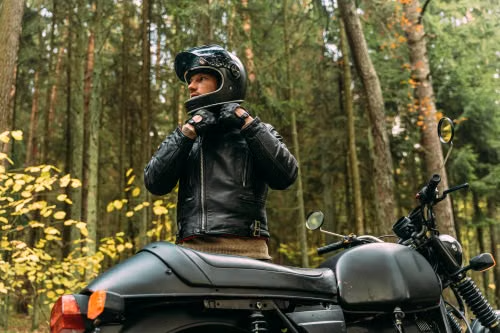
A DOT-approved helmet is the single most important piece of gear. It protects against the most common cause of ATV fatalities, which is head injury.
- Choose a full-face helmet for maximum protection
- Make sure it fits snugly without sliding around
- Replace any helmet after a hard impact, even without visible damage
Eye Protection
Goggles or a full-face helmet visor protect your eyes from dirt, rocks, and branches kicked up on the trail.
Gloves
Gloves improve grip on the handlebars and protect your hands during falls. Look for gloves with reinforced palms and knuckle padding.
Boots
Sturdy, over-the-ankle boots protect your feet and lower legs from rocks, hot engine parts, and rolling impacts.
|
Gear Item |
Main Purpose | Required by Most States? |
| Helmet | Head injury protection |
Yes (under 18 in most states) |
|
Goggles |
Eye protection from debris | Recommended |
| Gloves | Grip and hand protection |
Recommended |
|
Boots |
Foot and ankle protection | Recommended |
| Chest Protector | Upper body impact protection |
Recommended for trail riding |
“For More Information Related to Every Type of Motorcycle Parts and Joint”
How Does Motorcycle Suspension Affect Ride Comfort and Handling?
Additional Protective Gear Worth Adding
Beyond the basics, a few extra pieces of gear can add real protection, especially for trail riding or racing.
- Chest and back protectors: Shield vital organs and the spine during falls
- Knee and elbow guards: Reduce impact injuries on rough trails
- Riding pants and jackets: Protect skin from abrasions and weather
- Neck braces: Help limit neck movement during high-impact crashes
Matching Gear to Your Riding Style
The gear you need can shift slightly depending on where and how you ride.
Trail Riding
Riders exploring trails in states like Colorado or West Virginia often deal with rocks, roots, and steep grades. Full-body gear with chest protection is worth the investment.
Farm or Utility Use
Riders using ATVs for farm work in states like Iowa or Texas still need a helmet and gloves, even at lower speeds, since rollovers remain a real risk.
Racing
Competitive riders need the full kit: helmet, goggles, chest protector, gloves, boots, and often a neck brace, since speeds and risks are much higher.
Where Cycle Parts Joint Fits In
Finding quality gear should not be complicated. Cycle Parts Joint carries a wide selection of protective apparel and ATV Motorcycle Accessories built for riders of every skill level.
- Helmets in multiple sizes and styles
- Riding gloves, boots, and jackets
- Chest and knee protection gear
- Goggles and eye protection accessories
Whether you ride trails in the mountains or work a farm in the Midwest, Cycle Parts Joint ships gear nationwide so you can gear up no matter where you live.
Tips for Maintaining Your Safety Gear
Gear loses effectiveness over time if it is not cared for properly.
- Replace helmets every 3 to 5 years, even without visible damage
- Check straps and buckles regularly for wear
- Clean goggles and visors to avoid scratches that block vision
- Store gear in a cool, dry place away from direct sunlight
Conclusion
ATV riding is more fun when you feel safe doing it. The right Safety Gear for Motorcycle Riders and ATV operators reduces injury risk and lets you focus on enjoying the trail.
From helmets to boots, every piece plays a role. Visit Cycle Parts Joint to find trusted ATV Motorcycle Accessories and gear up for your next ride in 2026.

