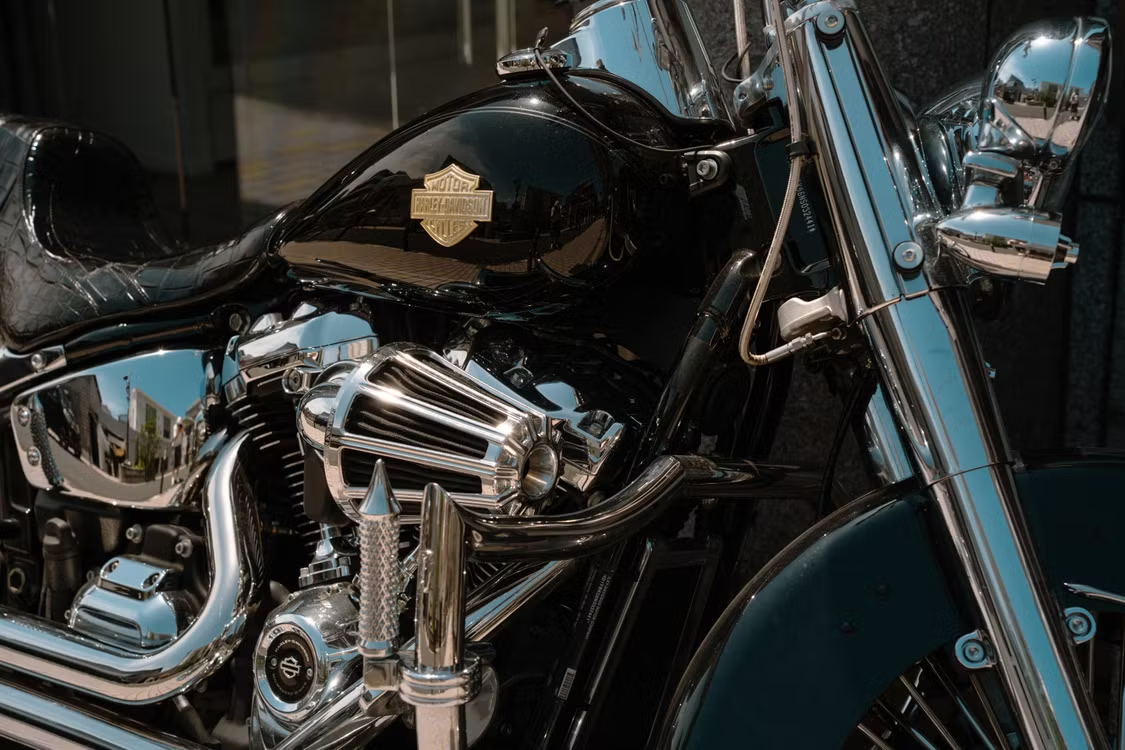
Your engine is the heart of your motorcycle. When it runs well, every ride feels smooth and controlled; when it does not, even small problems add up fast.
Understanding Motorcycle Engine Components helps you make better decisions when buying parts, planning upgrades, or keeping your bike in top shape.
Whether you ride on the street, off-road, or both, this guide walks you through the key parts, what they do, and how to find the right replacements from a trusted source like Cycle Parts Joint Accessories.
Why Understanding Engine Parts Matters
Most riders know how to fill up gas and check tire pressure. But knowing what is inside the engine gives you a real advantage.
You can spot warning signs earlier, avoid unnecessary repair bills, and pick the right parts without guessing. That knowledge saves time and money, whether you are in a shop in Texas or ordering parts online from Minnesota.
Core Motorcycle Engine Components You Should Know
Pistons and Cylinders
The piston moves up and down inside the cylinder to create the combustion that powers your ride. It is one of the most stressed parts in any engine.
- Worn pistons cause loss of compression and reduced power
- Oversized pistons are used during engine rebuilds to restore proper fit
- Cylinder walls must be honed correctly for a good seal
Camshaft and Valves
The camshaft controls when the intake and exhaust valves open and close. This timing affects how efficiently your engine breathes.
- Performance camshafts can improve power at specific RPM ranges
- Worn valve seats cause poor sealing and loss of compression
- Valve clearance should be checked per the manufacturer’s service intervals
Crankshaft and Connecting Rods
The crankshaft converts the pistons’ up-and-down motion into the rotational power that drives your wheels. Connecting rods link the pistons to the crank.
- Crankshaft bearings wear over high mileage and heavy use
- Bent connecting rods can cause severe engine damage if not caught early
- Aftermarket cranks are popular in high-performance builds
Ignition System and Spark Plugs
Spark plugs ignite the air-fuel mixture in the cylinder. The ignition system controls the timing and intensity of that spark.
- Replace spark plugs every 6,000 to 10,000 miles, depending on your engine
- Fouled plugs cause misfires, rough idling, and reduced fuel economy
- Performance ignition modules can sharpen throttle response
ATV Engine Parts: What Makes Them Different
ATV engines are built for harder work. They deal with mud, water, steep grades, and heavy loads that street bikes never face.
Riders in states like Tennessee, Georgia, and the Carolinas know how demanding those trail conditions can be on an engine over a full season of riding.
|
Part |
Street Bike | ATV |
Key Difference |
|
Air Filter |
Dry paper | Foam or dual-stage |
ATV handles more dust and mud |
|
Cooling System |
Liquid or air cooled | Often liquid-cooled |
ATVs overheat faster under load |
|
Oil Capacity |
Moderate | Higher |
More volume for sustained use |
|
Clutch Type |
Wet multi-plate | Wet multi-plate or CVT |
ATVs often use CVT for utility |
- Always match ATV parts to your exact model year and engine displacement
- Check OEM specs before switching to aftermarket ATV engine parts
- Heavy-duty oil filters are worth the upgrade on utility ATVs
Dirt Bike Engine Parts: Built for High RPM and Rough Terrain
Dirt bikes push engines harder than almost any other application. High RPM, constant throttle changes, and heavy vibration all take a toll on parts.
Riders in California desert racing scenes or the motocross tracks across Florida and the Southwest demand parts that hold up lap after lap.
Top Wear Items on Dirt Bike Engines
- Piston rings: Wear quickly at high RPM, replace regularly for compression
- Top-end rebuild kits: Include piston, rings, gaskets, and pin for a full refresh
- Reed valves (2-stroke): Control intake flow, replace when petals crack or warp
- Water pump seals: Prevent coolant leaks that can cause overheating mid-ride
- Exhaust gaskets: Burn through over time and cause power loss and noise
Two-Stroke vs. Four-Stroke Parts
Two-stroke engines are simpler but need more frequent top-end rebuilds. Four-stroke engines last longer between rebuilds but have more components to manage.
- Two-stroke: Reed valves, power valves, and expansion chambers are key wear parts
- Four-stroke: Valves, camshafts, and timing chains need regular inspection
Finding the Right Parts at Cycle Parts Joint Accessories
Cycle Parts Joint Accessories stocks a wide range of Motorcycle Engine Components, ATV Engine Parts, and Dirt Bike Engine Parts for riders across the country.
- Search by vehicle type, make, model, and year for a precise fit
- Broad inventory covering both OEM-spec and performance aftermarket options
- Ships nationwide, from dealers in Seattle to riders in rural Alabama
- Detailed product listings help you confirm specs before you buy
Tips for Buying Engine Parts the Right Way
Getting the wrong part wastes money and delays your ride. These steps help you get it right the first time.
- Know your engine specs: Displacement, year, and model are the minimum you need
- Check OEM part numbers: Match them to aftermarket listings when available
- Buy in kits when rebuilding: Gasket sets and top-end kits save time and shipping costs
- Read fitment notes carefully: Some parts fit multiple models, others are model-specific
- Check reviews: Other riders in similar conditions give the most honest feedback
Simple Engine Maintenance Schedule
Keeping up with basic maintenance extends the life of every engine part and prevents costly repairs down the road.
|
Interval |
Task |
Why It Matters |
|
Every ride |
Check oil level |
Low oil causes rapid engine wear |
|
500 miles |
Inspect the air filter |
Dirty filters choke power and fuel economy |
|
3,000 miles |
Change engine oil and filter |
Clean oil protects bearings and seals |
|
6,000 miles |
Check spark plugs |
Worn plugs cause misfires and poor starts |
|
12,000 miles |
Inspect valves and timing chain |
Prevents major engine damage |
Conclusion
Knowing your Motorcycle Engine Components puts you in control of your riding experience. Whether you ride a street bike, an ATV, or a dirt bike, the right parts and regular maintenance keep every ride performing at its best.
For quality ATV Engine Parts, Dirt Bike Engine Parts, and everything in between, Cycle Parts Joint Accessories has you covered. Browse our full catalog and find exactly what your engine needs in 2026.

