You need a clutch kit by Friday. The dealer quotes $340 and a two-week wait. An online listing shows $110 and ships tomorrow.
So, which one do you actually buy? The OEM vs aftermarket ATV parts argument gets loud fast, and most of it is noise. Here is the practical answer, broken down part by part.
What Does “OEM” Actually Mean?
OEM stands for Original Equipment Manufacturer. It is the exact part your quad rolled off the assembly line wearing.
Here is the part most riders miss. Honda does not machine every component in-house. They contract it out to suppliers like Keihin for carburetors and Showa for suspension.
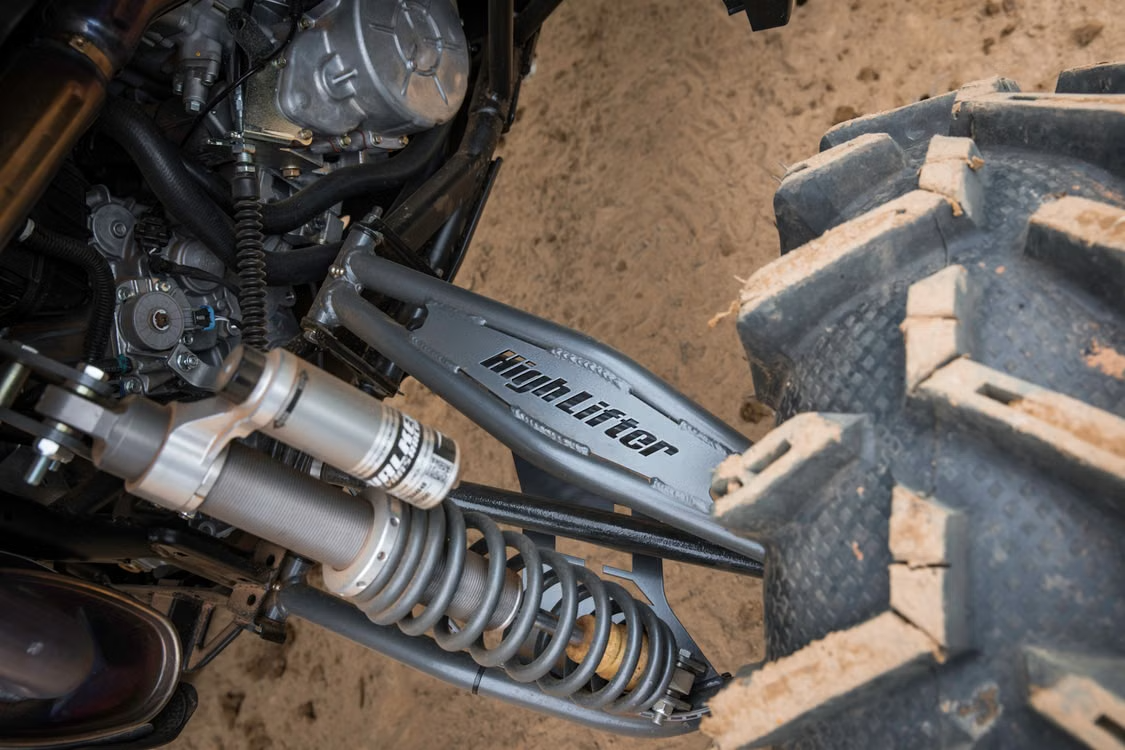
So, when you buy an OEM A-Arm in a Honda box, you are buying a supplier-built part with a Honda label on it. The engineering is genuinely good. So is the markup.
What Does “Aftermarket” Actually Mean?
Aftermarket means any part built by a company other than your machine’s manufacturer. That is the entire definition.
It covers an enormous range. At one end you have race-proven names like ODI and Uni Filter. At the other end you have unbranded castings from a factory nobody can name.
The word tells you who made the part. It tells you nothing about how good it is. That distinction is the whole point of this article.
OEM vs. Aftermarket ATV Parts: Quick Comparison Table
Neither option wins across the board. Here is how they stack up on the five things riders actually care about.
| Factor | OEM | Aftermarket |
| Price | Highest | 30 to 60 percent less |
| Fitment | Guaranteed | Guaranteed when verified |
| Quality | Consistent | Ranges from poor to better than stock |
| Warranty | 6 to 12 months typical | Varies by supplier |
| Availability | Slow on older models | Usually in stock |
Cost Differences
OEM typically runs 40 to 70 percent higher for the same function. A big chunk of that covers the dealer network and the box, not the metal.
Fitment & Compatibility
OEM fits right the first time, every time. Quality aftermarket does too, provided the listing is verified for your exact year and model.
Quality & Materials
OEM quality is predictable. Aftermarket swings both directions, and plenty of performance parts genuinely outperform the stock component.
Warranty Coverage
Most OEM parts carry six to twelve months. Reputable aftermarket suppliers match that, and some beat it outright.
Availability & Lead Time
This category is not close. Aftermarket wins hard, especially on machines the factory stopped supporting years ago.
More Related Information Click Below:
Winterizing Your ATV & Dirt Bike: The Complete Off-Season Checklist
When You Should Choose OEM Parts
Sometimes the extra money buys real peace of mind. These are those times.
Engine Internals & Safety Critical Components
Piston kits, crankshafts, valve trains, and brake master cylinders deserve OEM. So do steering stems.
A failed A-arm at speed on the rock ledges at Disney Off Road Trails is not a place to have saved forty dollars. Anything that can hurt you when it breaks belongs in the OEM column.
Vehicles Still Under Manufacturer Warranty
If your quad is new enough to have factory coverage still, OEM keeps every conversation simple. You remove the argument before it starts.
This matters most on engine and drivetrain work. Cosmetic and accessory parts are a different story, which we cover below.
When Aftermarket Parts Make More Sense
For most riders on most machines, this is where the smart money goes.
Wear Items (Bearings, Clutch Kits, Brake Components)
These parts are designed to be consumed. You will replace wheel bearings again in two seasons regardless of who made them.
Paying dealer prices for something you throw away on a schedule makes very little sense.
Performance Upgrades & Off-Road Builds
OEM parts are engineered for the average owner in average conditions. That is not you if you are running the dunes at Little Sahara.
Aftermarket is the only route to a bigger carburetor or a stiffer clutch. The factory does not sell those parts.
Older or Discontinued Models
Honda ended TRX400EX production in 2008. Try sourcing a full OEM catalog for that machine today.
Aftermarket is not the budget option here. It is often the only option that exists.
How to Tell If an Aftermarket Part Is High Quality
Cheap and inexpensive are two very different things. Here is how we separate them.
Check the Material & Finish
Look for the specific alloy in the listing, not just the word “aluminum.” Forged beats cast on anything that takes impact.
Sloppy welds and rough casting seams tell you everything about the factory’s quality control.
Look for Fitment Verified Listings
A serious seller lists exact years and model codes. Vague listings that claim to fit every machine ever built are a warning sign.
Read Verified Buyer Reviews
Skip the star rating and read the two-star reviews. Those are where installation problems actually surface.
Common Myths About Aftermarket ATV Parts
“Aftermarket Always Means Lower Quality”
Tell that to anyone running a Mikuni carburetor or ODI lock-on grips. Both are aftermarket, and both outperform the stock parts they replace.
Quality tracks the manufacturer, not the category.
“Aftermarket Voids Your Warranty”
This one is false, and it has been false since 1975. Under the Magnuson-Moss Warranty Act, a manufacturer cannot void your warranty simply because you installed an aftermarket part, and must prove that the specific part caused the failure before denying a claim.
Keep your receipts, and you keep your coverage.
OEM vs. Aftermarket by Part Type (Quick Reference)
A-Arms & Suspension
Go aftermarket for strength on a trail build. Stay OEM if your machine is stock and still covered.
Bearing Kits
Aftermarket, comfortably. Most quality kits use the same Koyo or NSK bearings found inside the OEM package.
Clutch Kits
Aftermarket wins here for most riders. Heavy-duty spring kits handle mud and hill climbs better than stock ever did.
Headlights & Taillights
Aftermarket, without hesitation. LED conversions cost less than an OEM housing and pull far less current off your stator.
How Cycle Parts Joint ATV Accessories Are Sourced for Quality
We run our operation out of Sapulpa, and we ride the same Oklahoma trails our customers do. That shapes what we stock.
Every listing is tied to specific model years rather than a vague fitment claim. We favor suppliers with a track record on Honda and Yamaha platforms over whoever quoted us the lowest number that week.
If a part comes back to us twice for the same failure, it comes off the site. That is a simpler standard than most catalogs use, and it works.
Frequently Asked Questions
Is aftermarket as good as OEM?
It depends entirely on the brand. Top-tier aftermarket parts match or beat OEM, while bargain-bin parts do not come close. Judge the manufacturer and the material specs rather than the label. For wear items, quality aftermarket is usually the better value.
Do aftermarket parts void ATV warranty?
No. Federal law protects you here, and the burden of proof sits with the manufacturer. They must show that your specific aftermarket part caused the specific failure you are claiming. Keep your purchase records and installation notes to make that protection easy to use.
Are aftermarket ATV parts cheaper than OEM?
Usually yes, by roughly 30 to 60 percent. The savings come from skipping the dealer distribution chain, not from cutting corners on materials. Some premium performance parts actually cost more than OEM because they are built to a higher standard than stock.
How do I know if a part will fit my ATV model?
Match your exact year and model designation, since a 2006 TRX450R differs from a 2004. Check the OEM part number when the listing provides one. Confirm any mid-year production changes with the seller before you order.
What’s the difference between OEM and genuine parts?
Genuine parts come in the manufacturer’s branded packaging and carry their markup. OEM parts are made by the same supplier factory but sold in supplier packaging. The component inside is frequently identical, so genuine buyers are often paying for the box.
Can I mix OEM and aftermarket parts on the same ATV?
Absolutely, and nearly every machine on the trail already does. Most riders run OEM engine internals alongside aftermarket suspension and controls. Just avoid mixing brands within a single matched system, such as pairing one brand’s clutch basket with another brand’s plates.
Final Verdict: Which Should You Buy?
There is no universal winner in the OEM vs aftermarket ATV parts debate. There is only the right call for the specific part in your hand.
Go OEM on anything that can hurt you. Go aftermarket on wear items and upgrades. Then spend what you saved on fuel money for the weekend.
Browse our ATV catalog and check the fitment on your machine before you order.

